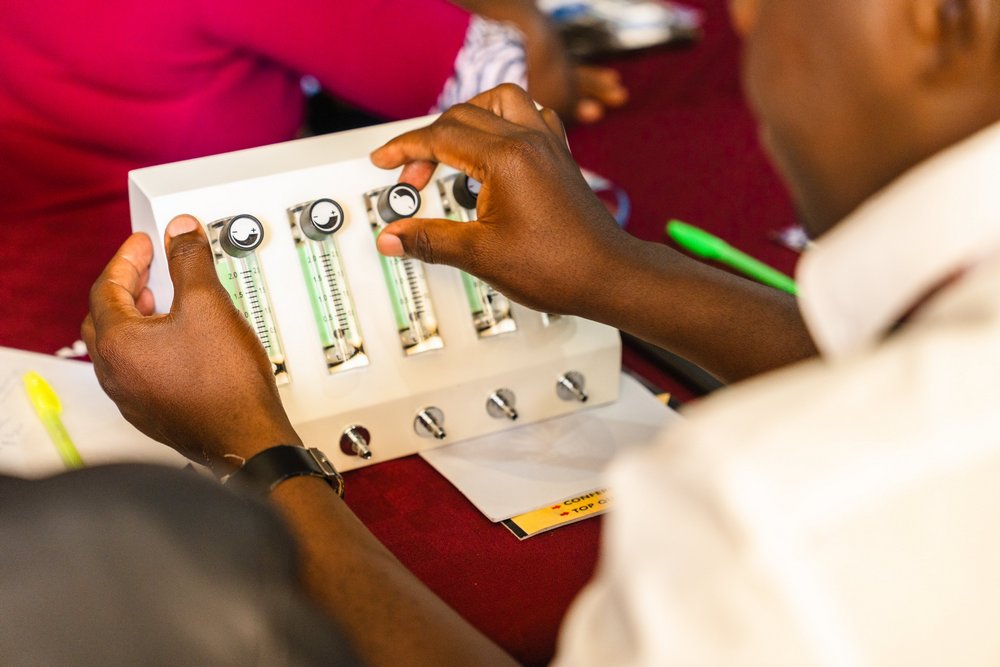
Expanding access to medical oxygen requires more than making equipment available. It also means strengthening diagnostic capacity, improving clinical readiness and addressing community perceptions that influence the uptake of oxygen therapy.
Access to medical oxygen remains an important component of quality healthcare, particularly in managing patients with respiratory distress and hypoxaemia. However, low reported oxygen utilisation does not necessarily indicate low clinical need. In many instances, it reflects underlying health system constraints that prevent patients who require oxygen therapy from being identified and receiving timely care.
Through its Oxygen as a Service (O₂aaS) initiative, implemented in partnership with the Philips Foundation, the Centre for Public Health and Development (CPHD) is working to address these barriers and strengthen access to medical oxygen at primary healthcare level.
The initiative has supported implementation across 50 primary healthcare facilities in five Lake Region Economic Bloc (LREB) counties: Kisumu, Vihiga, Kakamega, Kisii and Migori.
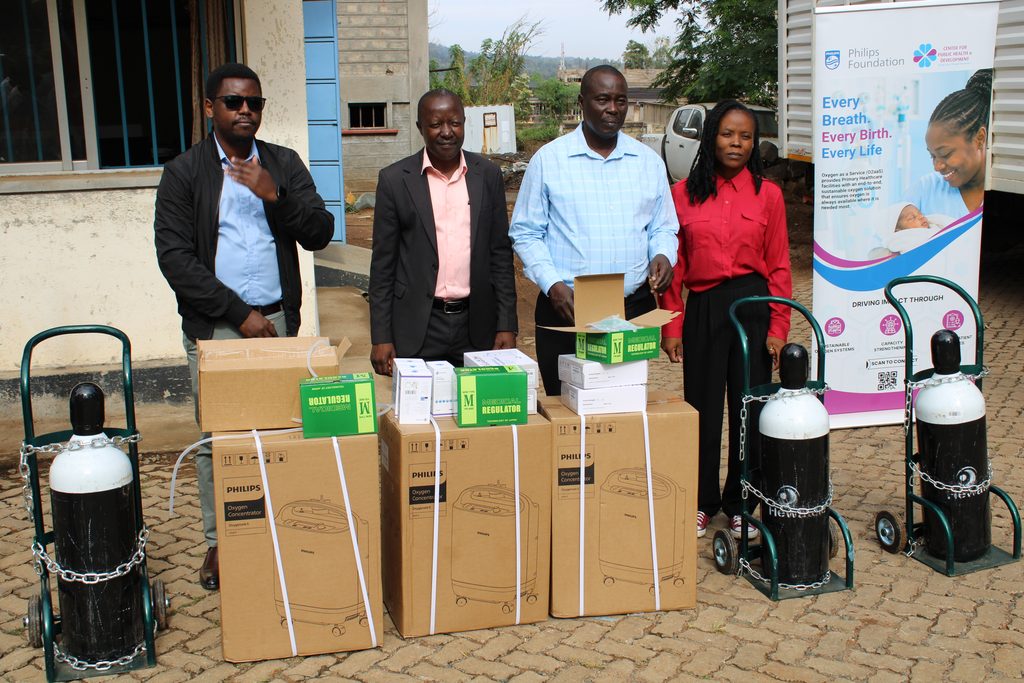
Addressing critical gaps in oxygen access and utilisation
Implementation across the five counties has highlighted several bottlenecks affecting the availability and utilisation of medical oxygen. Among the most significant is the limited availability of essential diagnostic equipment.
Findings show 91% of facilities report shortages of pulse oximeters. Pulse oximeters are a critical tool for measuring blood oxygen saturation and identifying hypoxaemia. Without reliable access to pulse oximeters, healthcare workers may face challenges identifying patients who require oxygen therapy. This may lead to missed or delayed interventions.
These diagnostic gaps demonstrate why strengthening oxygen access is essential. It must go hand in hand with improving the capacity of health facilities. Health facilities must identify, assess, and manage patients requiring respiratory support.
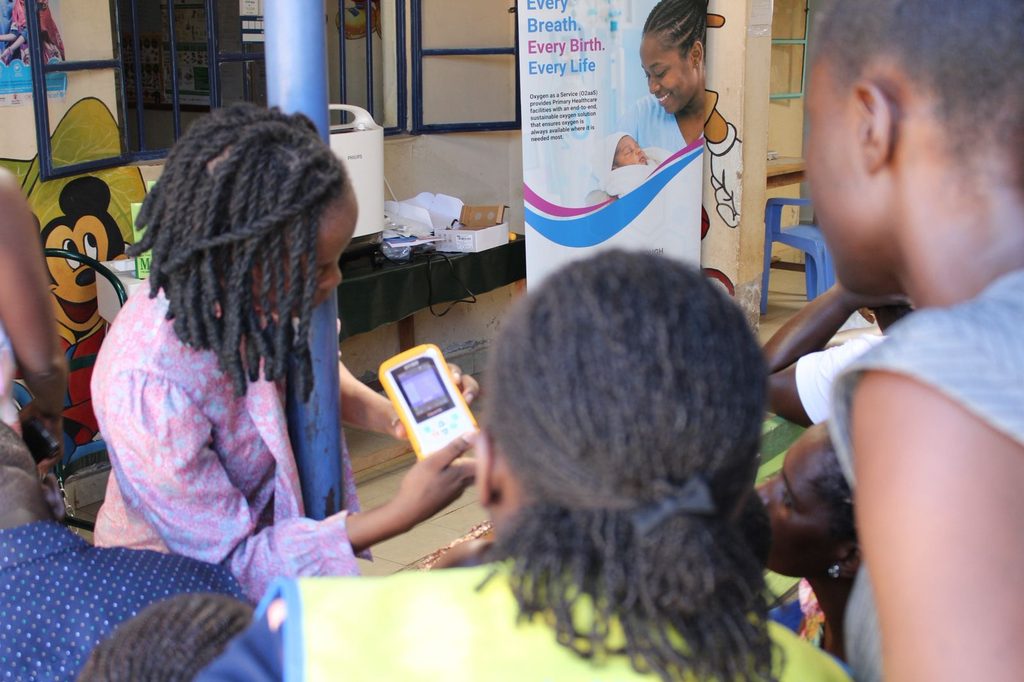
Addressing misconceptions and building community awareness
Beyond health facility constraints, implementation has also highlighted the influence of community perceptions on oxygen uptake.
In some communities, oxygen therapy is associated primarily with critically ill patients or perceived as an indication that a patient is unlikely to recover. These misconceptions can contribute to fear, hesitation and delayed acceptance of oxygen therapy.
Addressing these perceptions requires deliberate community engagement and sensitisation to improve understanding of the role of medical oxygen in patient care. Communities need to understand that oxygen is a clinical treatment used to support patients with low blood oxygen levels, rather than a signal that recovery is no longer possible.
Community awareness is therefore an important part of improving the acceptance and appropriate utilisation of medical oxygen.
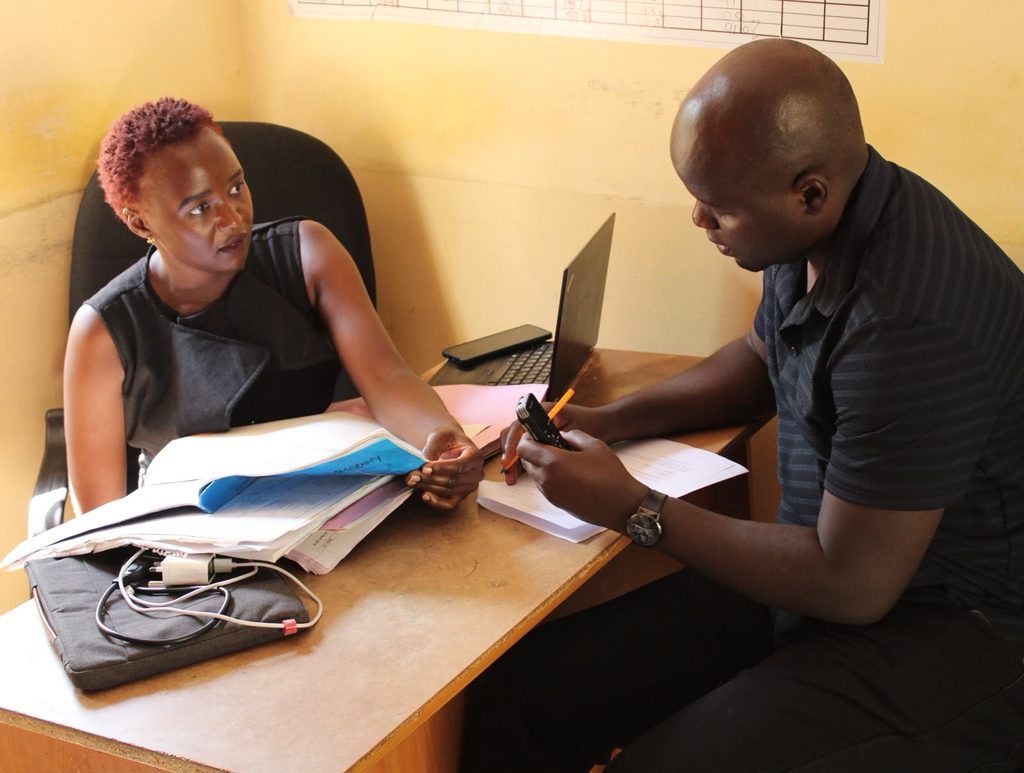
Beyond equipment: strengthening the oxygen ecosystem
The experience across Kisumu, Vihiga, Kakamega, Kisii and Migori reinforces the need for a comprehensive approach to medical oxygen access. Equipment deployment alone cannot address all the barriers affecting utilisation.
Sustainable access requires functioning equipment, essential diagnostic tools, adequately trained healthcare workers, reliable maintenance and service support, alongside informed communities that understand the role of oxygen therapy.
Through the O₂aaS initiative, CPHD and the Philips Foundation continue to advance efforts to strengthen medical oxygen availability and utilisation at primary healthcare level.
As implementation progresses, addressing both facility-level and community-level barriers will remain central to ensuring that patients who need oxygen can be identified and receive appropriate care when they need it.