Empowering Schoolgirls in Kibra: Breaking the Silence on Heavy Menstrual Bleeding
For many adolescent girls, menstruation is a routine part of life. But for those enduring Heavy Menstrual Bleeding (HMB), the challenges extend far past monthly discomfort. Excessive bleeding frequently disrupts school attendance, derails academic performance, and chips away at mental well-being. Despite these profound impacts, HMB remains deeply understudied and under-recognized in low-resource communities.
To tackle this hidden health equity crisis, the Center for Public Health and Development (CPHD), with funding from the Gates Foundation, has launched a groundbreaking study and pilot intervention in Nairobi.
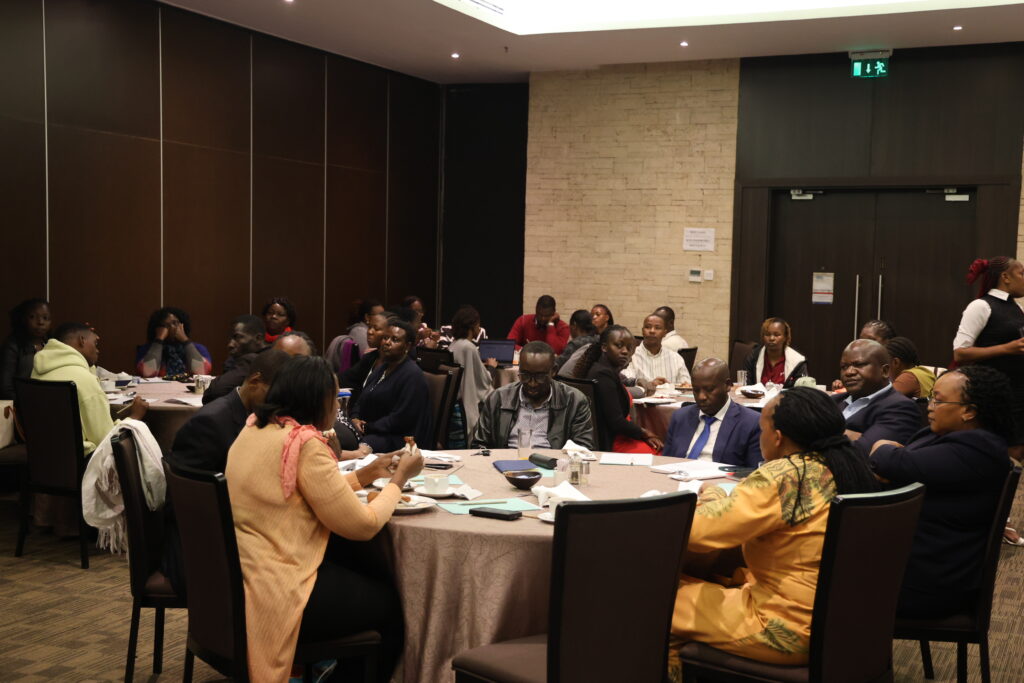
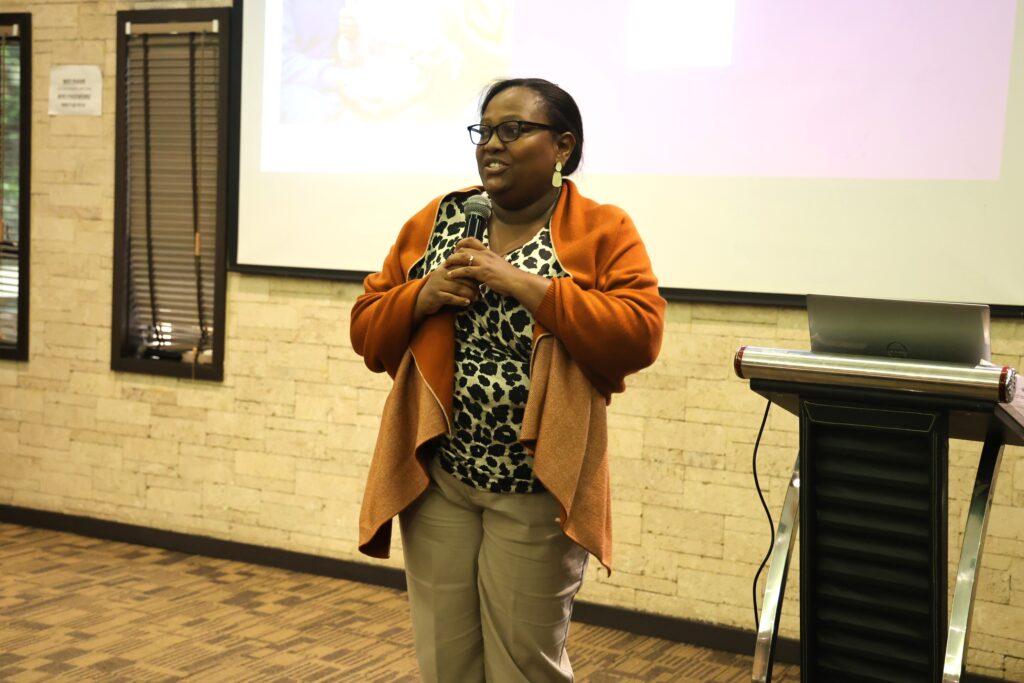
The initiative kicked off with a high-level inception meeting bringing together officials from Nairobi City County, Kibra Sub-county, the Ministry of Health, the Ministry of Education, and the Teachers Service Commission (TSC) to ensure strict alignment with the Kenya School Health Policy.
Closing the Evidence Gap on Menstrual Health
The core mission of this Gates Foundation-funded initiative is to generate critical baseline data on the true burden and lived experiences of adolescents facing HMB in underserved urban settlements.
Moving beyond simple product provision, this multidisciplinary research explores menstrual health literacy, care-seeking behaviors, school absenteeism, and the social stigmas that dictate how girls manage heavy bleeding.
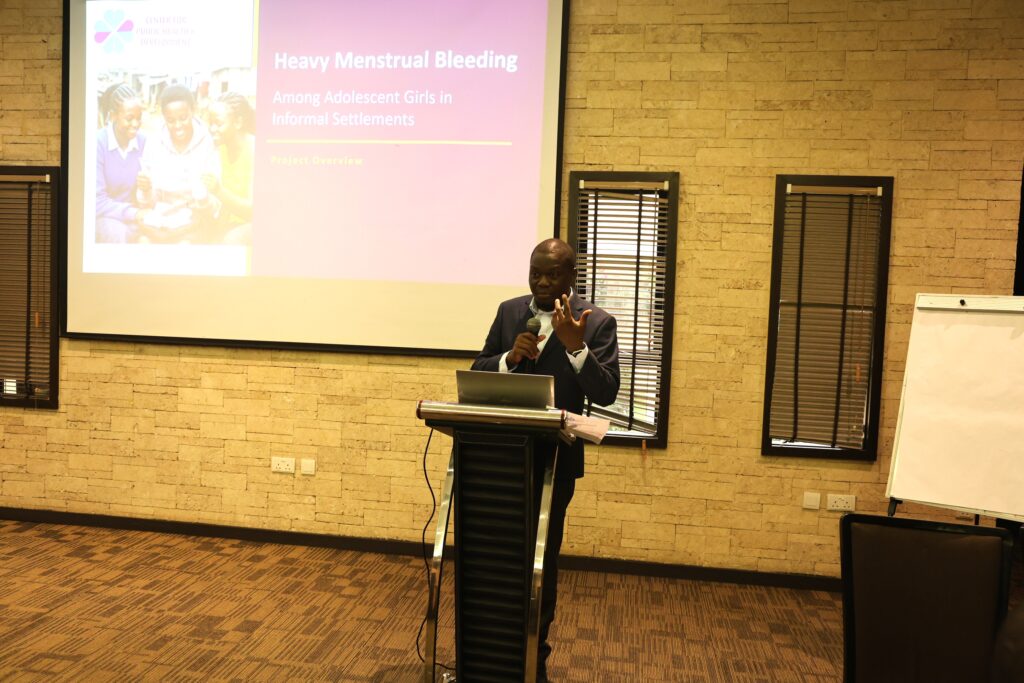
“This study seeks to address a critical evidence gap by examining Heavy Menstrual Bleeding among adolescents through a multidisciplinary lens. Our integrated approach links clinical understanding, stigma, and care-seeking behaviors in low-resource urban settings. The findings will provide valuable insights into menstrual health beyond hygiene, with direct implications for adolescent wellbeing and health system responsiveness.”
Dr. Clive Ogallo, CPHD Programme Director
Beyond gathering data, the project will map existing Water, Sanitation, and Hygiene (WASH) services alongside local healthcare pathways to uncover the real-world barriers preventing girls from accessing timely care.
Supporting Girls Beyond Product Provision
A key focus of this project is delivering immediate, practical support. CPHD confirmed that participating adolescents will receive high-quality disposable menstrual products specifically selected to meet the higher absorbency demands of HMB.
Crucially, participating schools are being formally linked to nearby health facilities, creating direct referral pathways for girls who require further medical assessment or clinical care.
Addressing Waste Management and Dignity
Managing heavy bleeding requires a reliable infrastructure. To ensure safe and dignified disposal within schools, CPHD is committing to equipping facilities with designated waste bins and exploring long-term waste disposal mechanisms. Dr. Ogallo noted that centralized incineration systems represent a sustainable best practice, prompting collaborative planning with Nairobi City County waste management teams.
County Government Commits Support
The initiative has gained strong institutional backing. Dr. Carol Ngunu, Director of Preventive and Promotive Health Services at Nairobi City County, welcomed the project, highlighting how vital localized evidence is for shaping public policy:
“Adolescent health remains a priority for Nairobi City County. Understanding the realities faced by girls experiencing Heavy Menstrual Bleeding will help us design more responsive services and strengthen support systems within schools and communities. We welcome this partnership and look forward to using the findings to inform future interventions that improve the wellbeing of our young people.”
Dr. Carol Ngunu, Director of Preventive and Promotive Health Services, Nairobi City County
Building Trust and Starting Strong in Kibra
Because menstrual health remains a sensitive topic, stakeholders emphasized that success hinges entirely on deep community trust. Before any student is involved, a strict protocol ensures dedicated sensitization with school leadership, informed consent from parents and guardians, and full alignment with teachers.