
Stockouts were compounded by non-functional oxygen devices concentrators, splitters, flowmeters with no system for rapid assessment or repair.
Emergency Biomedical Support for Oxygen Systems
Strengthening oxygen infrastructure during COVID-19 through facility-level repair,
training, and maintenance
ABOUT THE PROGRAMME
Rapid response when oxygen access could not wait
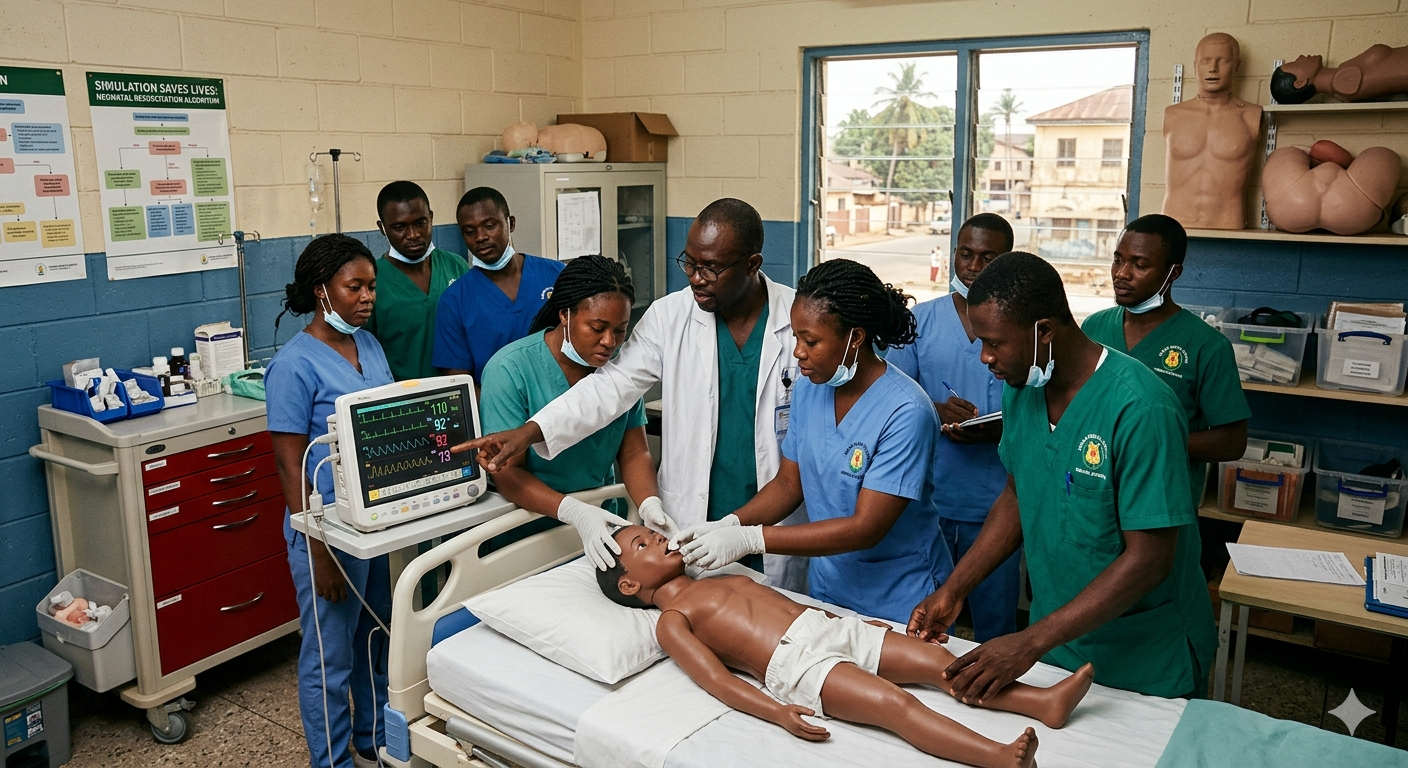
At the height of the COVID-19 pandemic, CPHD led an urgent biomedical intervention to evaluate, repair, and restore oxygen systems in health facilities across Kenya. With facilities overwhelmed and oxygen access more critical than ever, we deployed teams to assess equipment functionality, conduct on-site repairs, and work alongside biomedical personnel to build sustainable maintenance capacity.
This project helped restore essential oxygen services in hospitals where non-functional equipment had compromised care especially in maternity units and emergency departments.
THE CHALLANGE
COVID-19 exposed deep fragilities in Kenya's oxygen ecosystem
Equipment Failure
Capacity Gaps
Many facilities lacked any capacity to repair or even assess the condition of existing oxygen assets, leaving critical gaps undetected.
Overstretched Engineers
Biomedical engineers were overstretched or untrained in preventive maintenance, leading to rising equipment downtime and wasted procurement resources.
System Fragility
Surging patient volumes during peak pandemic waves exposed just how dependent the care system was on functional, well-maintained oxygen infrastructure.
OUR APPROACH
Three pillars of intervention assess, repair, build capacity
Across 20 facilities in 6 counties, CPHD embedded itself in the existing biomedical workforce to deliver results that would last beyond the pandemic response.
UASIN-GIDHU, BSIA, KITUI, NYERI, KAKAMEGA & VIHIGA
Facility Assessments & Equipment Diagnostics
CPHD conducted comprehensive evaluations of oxygen infrastructure at each site, covering everything from cylinder manifolds to accessories. Every assessment produced a site-specific repair plan.
- Inventory and condition mapping of all oxygen assets
- Identification of critical gaps in equipment functionality
- Infrastructure compatibility checks
- Site-specific repair and restoration plans
On-Site Repair & Restoration
Working closely with existing biomedical staff, CPHD conducted repairs and recommissioned equipment for immediate clinical use coordinating procurement of faulty parts and ensuring devices were back in service as quickly as possible.
- 48 Oxygen concentrators repaired
- 48 Patient monitors restored
- 22 Pulse oximeters recommissioned
- 2 Suction machines repaired
Biomedical Capacity-Building
Rather than working in isolation, CPHD embedded mentoring and training into every site visit sharing SOPs, job aids, and promoting locally led equipment tracking practices that facilities could sustain independently.
- 51 Biomedical engineers
- 10 Nurses
- 1 Clinician
KEY RESULTS
What Changed
- Increased uptime of oxygen devices during peak COVID-19 case surges
- Reduced equipment waste and procurement inefficiencies during the national response
- Biomedical staff equipped to maintain equipment independently long-term
- Maternity units and emergency departments returned to full oxygen capacity
20
Facilities with restored oxygen systems
6
Counties covered
120+
Devices repaired and recommissioned
62
Health workers trained in preventive maintenance
WHY IT MATTERS
"Infrastructure must be supported, not just supplied."
In a moment of global crisis, CPHD reinforced a principle that is easy to overlook during emergency response: getting equipment into facilities is only half the work. Keeping it running is the other half and the harder half.
This project not only got life-saving oxygen systems back to optimal functioning, it built capacity in the very people who will keep those systems running long after the pandemic. By combining rapid response with systems thinking, CPHD helped ensure that even under pressure, facilities could deliver safe, reliable oxygen therapy to the patients who needed it most.
“Oxygen infrastructure is only as strong as the systems that keep it running.”